Businesses across the GCC are increasingly managing complex operations across sales, finance, human resources, inventory, procurement, and customer service. When each department relies on separate software, important information can become fragmented, making it harder for management teams to get a complete view of the business.
Integrating ERP, CRM, and HRMS into a connected business environment can help organizations bring these functions together. Instead of maintaining isolated systems, enterprises can create a more coordinated flow of information between departments.
For companies operating in the UAE, Saudi Arabia, Qatar, Oman, Kuwait, Bahrain, and other GCC markets, this approach can support better visibility, more consistent processes, and more efficient decision-making.
What Are ERP, CRM, and HRMS?
Before looking at integration, it is useful to understand the role of each system.
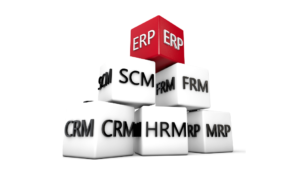
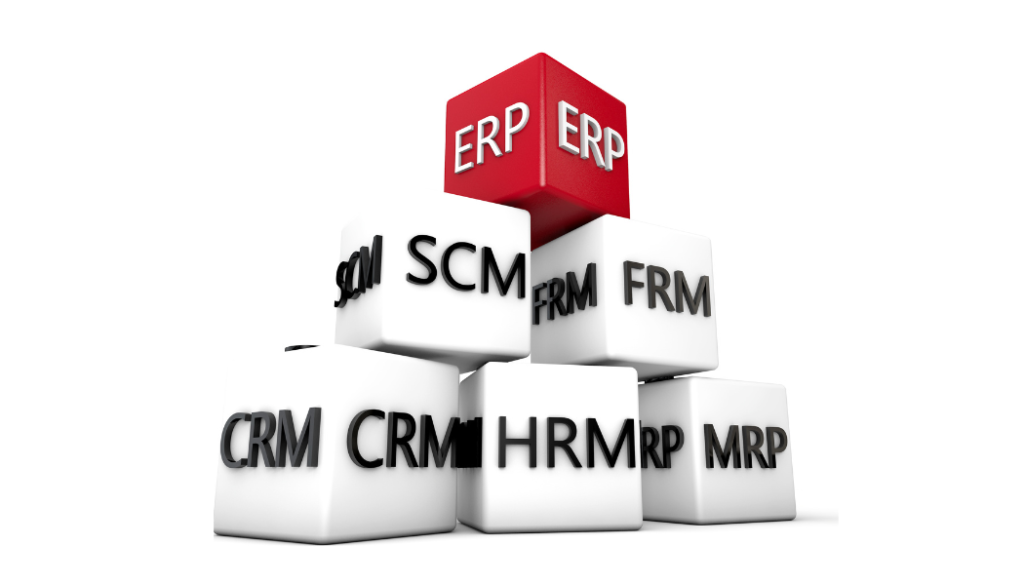
ERP (Enterprise Resource Planning) manages core business operations such as finance, accounting, inventory, procurement, supply chain, manufacturing, and other operational processes.
CRM (Customer Relationship Management) focuses on customers and sales activities. It can help businesses manage leads, opportunities, customer interactions, sales pipelines, and follow-ups.
HRMS (Human Resource Management System) manages employee-related processes such as employee records, attendance, leave, payroll, recruitment, performance, and other HR activities.
Each system serves a different purpose, but their data often overlaps.
For example, a sales order can affect finance, inventory, customer records, and employee activities. Integration allows relevant information to move between these functions without requiring repeated manual entry.
Why Separate Systems Can Create Business Challenges
Using different platforms for different departments is not necessarily a problem. The challenge arises when those platforms cannot communicate effectively.
Employees may need to enter the same information into multiple systems. Finance teams may wait for sales data, HR teams may maintain separate employee records, and management may need to combine reports from several applications before understanding business performance.
This can result in:
- Duplicate data entry
- Inconsistent information
- Delayed reporting
- Manual reconciliation
- Limited management visibility
- Increased administrative work
- Difficulty tracking processes across departments
As organizations grow, these challenges can become more noticeable.
How ERP, CRM and HRMS Integration Connects Business Functions
Integration creates a flow of relevant information between systems.
For example, when a new customer is added through the CRM, relevant information can be made available to the ERP. When an employee joins the organization, HRMS information can support payroll and workforce-related processes. Sales transactions recorded through CRM can also provide information required by finance and operations.
The objective is not necessarily to make every system identical. Instead, each platform can continue handling its specialized functions while exchanging the information required by other departments.
1. Connecting Sales With Finance
CRM systems contain valuable information about leads, customers, opportunities, and sales activities. ERP platforms handle financial transactions, invoicing, receivables, and accounting.
Integration can connect these processes.
When a deal moves from the sales pipeline to an actual transaction, relevant information can flow into the operational and financial processes. This reduces the need for sales and finance teams to manually exchange the same information.
It can also give management a clearer view of the relationship between sales activity and financial performance.
2. Linking Customer Data With Operations
Customers interact with different parts of a business. Sales teams may manage the relationship, while finance handles invoices and operations manage orders or deliveries.
Without integration, each department may maintain a different version of customer information.
A connected system can help establish more consistent customer data across business functions.
This can be particularly useful for GCC businesses managing multiple branches, sales teams, distribution channels, or regional operations.
3. Connecting HR With Business Operations
Employees are central to business operations, but HR information is often kept separately from operational systems.
HRMS integration can connect employee information with relevant business processes while maintaining appropriate access controls.
For example, employee information can support payroll, attendance, workforce planning, and organizational reporting. This can help businesses reduce repetitive administrative work and maintain more consistent employee records.
4. Improving Management Visibility
One of the biggest advantages of connected business systems is the ability to bring information together for management reporting.
Instead of reviewing separate reports from finance, sales, HR, and operations, decision-makers can access information from connected systems.
This can help management examine areas such as:
- Sales performance
- Revenue and receivables
- Customer activity
- Inventory levels
- Workforce information
- Operational performance
- Department-level trends
Better access to business information can support more informed planning.
5. Reducing Repetitive Data Entry
Manual data entry is time-consuming and can introduce errors.
When information needs to be entered into multiple platforms, employees spend time performing administrative tasks rather than focusing on higher-value activities.
Integration can allow information captured in one system to be transferred to another system based on predefined workflows.
For example, customer and transaction information can move between CRM and ERP processes without requiring employees to repeatedly enter the same details.
6. Supporting Multi-Branch GCC Operations
Many GCC businesses operate across multiple locations or countries. Managing different branches can make data consistency more challenging.
A connected ERP, CRM, and HRMS environment can provide a common framework for managing information across locations while allowing organizations to maintain country- or branch-specific processes where necessary.
This can be particularly relevant for companies operating across markets such as the UAE, Saudi Arabia, Qatar, Oman, Kuwait, and Bahrain.
Businesses can structure access, reporting, workflows, and operational processes according to their organizational requirements.
7. Supporting Better Customer Experiences
Customers often interact with several departments during their relationship with a company.
A sales representative may need information about an existing order. Finance may need access to customer transaction details. Customer service may need to understand previous interactions.
When relevant information is connected, employees can work with a more complete view of the customer.
This can help reduce unnecessary communication between departments and make customer interactions more consistent.
8. Creating More Reliable Business Reports
Reporting becomes complicated when information is stored across disconnected platforms.
Different departments may use different definitions, reporting periods, or data sources. Management may then spend considerable time validating and consolidating information.
Integrated systems can provide a more consistent data foundation for reporting.
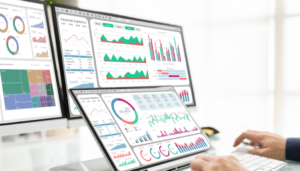
Organizations can develop dashboards and reports around business requirements while reducing dependence on manually combined spreadsheets.
What GCC Enterprises Should Consider Before Integration
Integration should be planned carefully. Simply connecting multiple applications does not automatically create an efficient business environment.
Businesses should consider:
Business Processes
First, identify which processes need to be connected. Not every piece of information needs to move between every system.
Data Quality
Integration works best when the underlying data is accurate and consistently structured. Duplicate or outdated records should be identified before connecting systems.
Security and Access
Different employees require different levels of access. Integration should include appropriate permissions so that users can access the information necessary for their roles.
Scalability
The integration framework should be able to support business growth, additional users, new branches, and potentially new countries or business units.
Local Business Requirements
GCC enterprises may have country-specific requirements relating to taxation, payroll, compliance, invoicing, and business operations. These requirements should be considered when designing the overall system.
User Adoption
Even a technically successful integration can underperform if employees do not understand how to use the connected workflows. Training and change management should therefore be part of the implementation process.
Cloud-Based Integration and Modern GCC Businesses
Cloud technology has changed how organizations deploy enterprise applications. Businesses can use cloud-based ERP, CRM, and HRMS platforms to provide employees with access to relevant systems from different locations, subject to security policies.
For organizations operating across GCC markets, cloud-based systems can also support distributed teams and multi-location operations.
However, businesses should evaluate data security, integration architecture, access controls, backup policies, and regulatory requirements before selecting a cloud-based approach.
Is One Platform Always Better Than Multiple Platforms?
Not necessarily.
Some businesses may prefer an integrated suite that includes ERP, CRM, and HRMS capabilities. Others may already have specialized applications that they want to retain.
The important factor is how effectively the systems communicate and whether the overall technology environment supports business processes.
The right approach depends on the organization’s size, industry, existing software, budget, operational complexity, and future requirements.
Building a Connected Enterprise With Mentor Performance
As businesses expand across the GCC, disconnected software can make it harder to maintain consistent processes and reliable business information.
An integrated approach to ERP, CRM, and HRMS can help organizations connect important business functions, reduce repetitive work, improve visibility, and create a stronger foundation for future growth.
At Mentor Performance, businesses can explore customized ERP and enterprise technology solutions designed around their operational requirements. A structured assessment of existing systems and workflows can help identify where integration can provide meaningful business value.
A connected system is not simply about linking software. It is about creating a smoother flow of information across the organization so that employees and decision-makers can work with the information they need when they need it.